
black and white bed linen

Our Technology

The Heat Pump, Reinvented

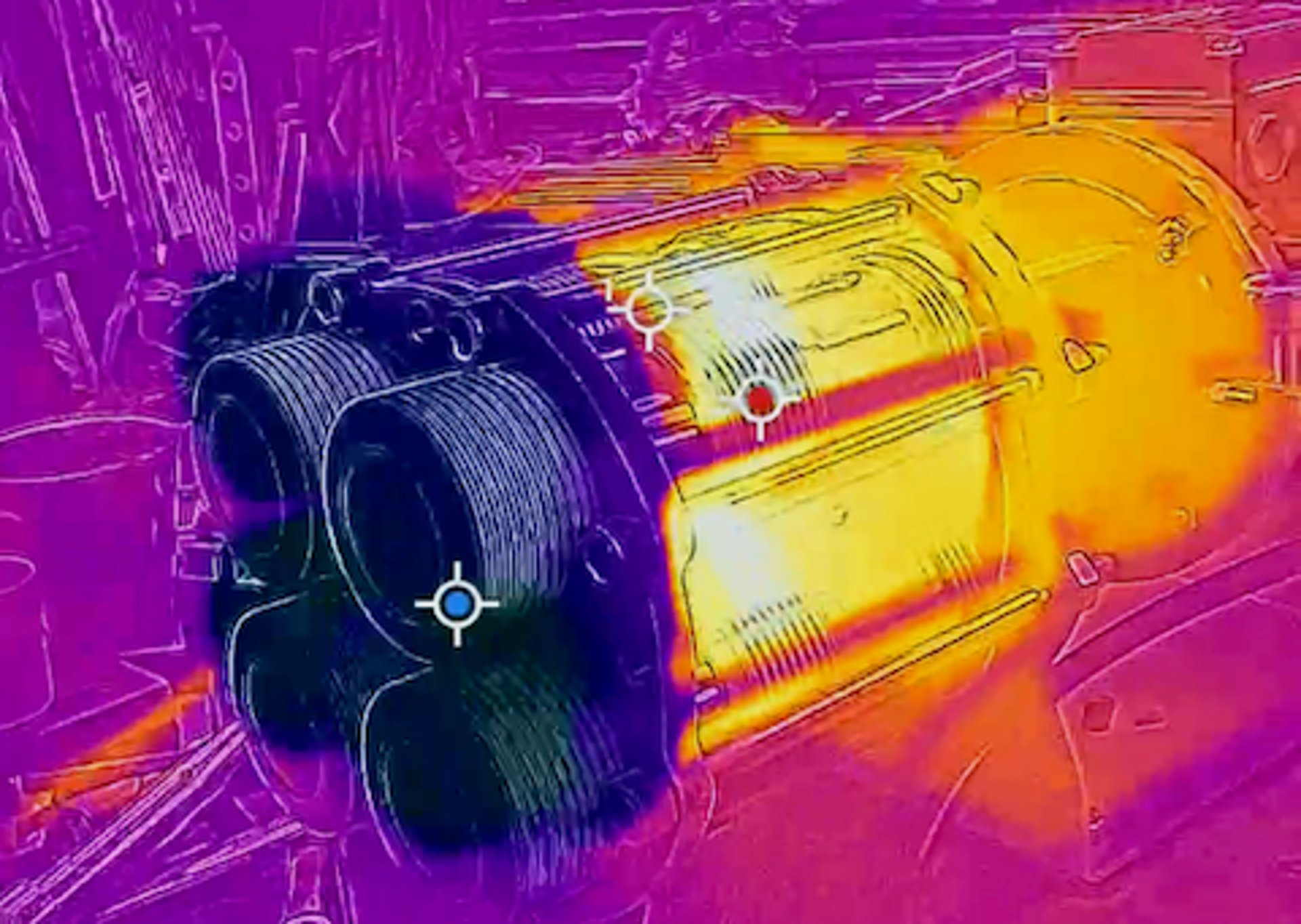
For decades, heat pumps have relied on synthetic refrigerants — complex, regulated, and increasingly restricted. We took a different path. Our technology is built on a reimagined Stirling engine, using nitrogen — the gas that makes up 78% of the air around us — as its working fluid. The result is a heat pump with no refrigerants, no compromise on efficiency, and thermal performance that changes what's possible.

A 200-Year-Old Idea, Finally Unleashed

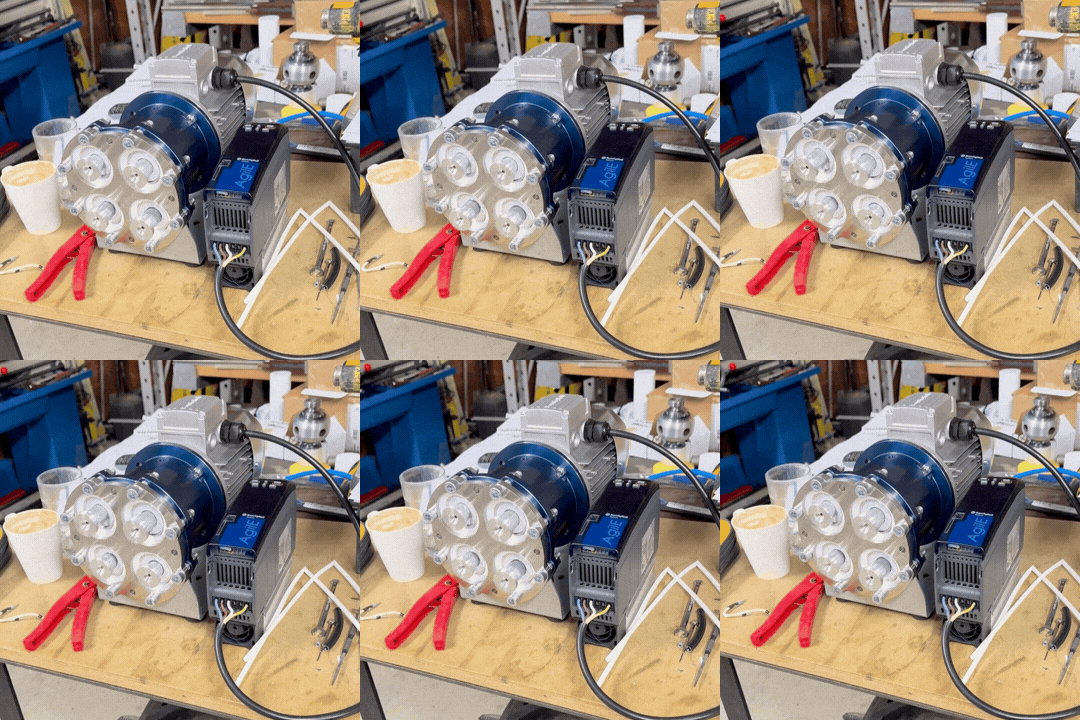
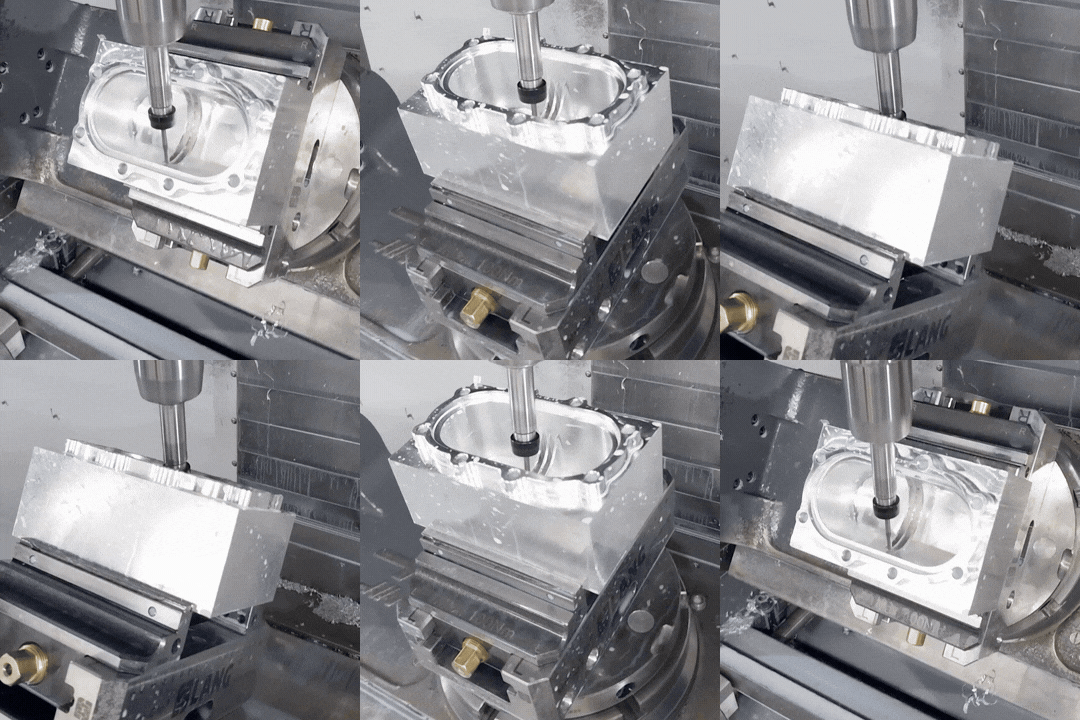
The Stirling engine has been understood since 1816. Celebrated for its simplicity, its ability to run on any heat source, and its use of inert gas as a working fluid, it was always theoretically compelling — but historically limited by the engineering challenges of making it practical and competitive at scale. We solved that. By redesigning the Stirling cycle from the ground up with modern materials, precision engineering, and nitrogen as the working gas, we've built something that captures everything the Stirling promised with a twist of modern day magic — delivering a high-performance heat pump fit for the 21st century.

How it works

Conventional heat pumps move heat by cycling a synthetic refrigerant through compression and expansion. Our reimagined Stirling engine does the same — but with nitrogen. Nitrogen is inert, non-toxic, non-flammable, and freely available everywhere on earth. By engineering around nitrogen's thermodynamic properties within a Stirling cycle, we've built a system that operates cleanly across conditions no refrigerant-based system can handle. The core innovation isn't just what we removed. It's what that removal unlocks.

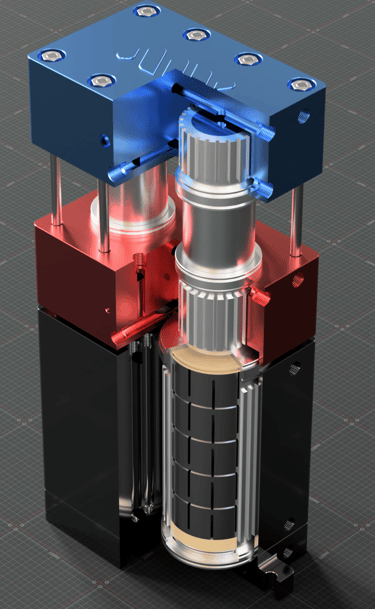
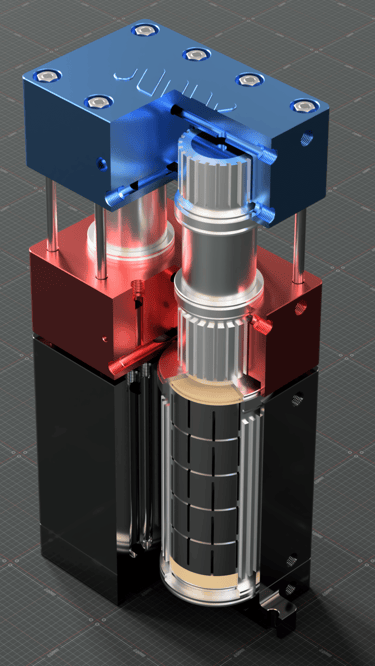
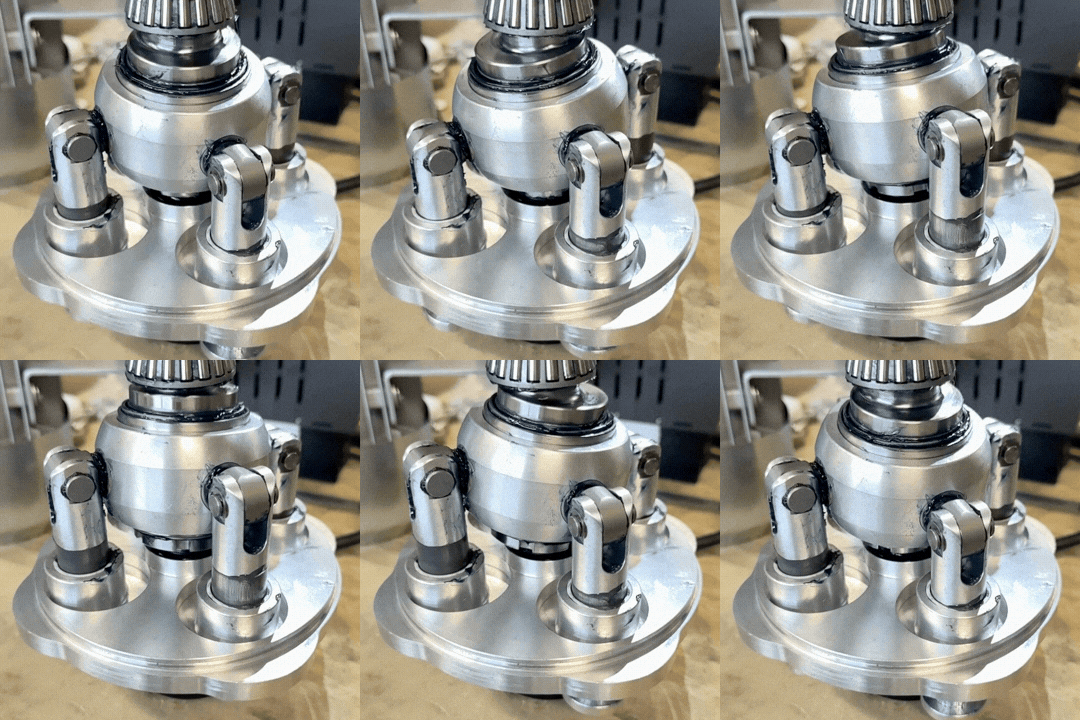
Engineering eye candy

Why Nitrogen changes everything

A Thermal Range No Conventional System Can Match

Our system provides reliable heating and cooling from −40°C to +120°C. Each temperature extreme results from the other, as thermal energy moves from the cold region to the hot region. This enables one unit to handle both process heating and refrigeration simultaneously, eliminating the need for separate systems.

But the architecture doesn't stop there. Because our units are built around a clean, inert working fluid and a consistent thermodynamic cycle, they are inherently cascadable. Multiple units can be staged in series, with the output of one becoming the input of the next, pushing thermal performance to ranges well beyond what any single unit — or any conventional heat pump — can achieve. This opens the door to applications demanding ultra-low temperatures or high-grade process heat that have historically required entirely separate, purpose-built systems.

For industries operating in extreme climates, or applications demanding exceptional thermal reach, this isn't a marginal improvement. It's a fundamentally different capability — and one that scales with your needs.

Efficiency Without Compromise

Switching away from refrigerants doesn't mean accepting a performance penalty. Both vapour compression and the Stirling cycle are governed by the same fundamental thermodynamic laws and are capable of delivering comparable real-world efficiency. Any performance differential between them is an engineering question, not a thermodynamic one — and specifically, it comes down to the drive system. That's exactly where we've focused our engineering effort.

The advantage of nitrogen as a working fluid goes deeper than its environmental profile. Refrigerants rely on phase change by design — evaporating to absorb heat on the cold side and condensing to release it on the warm side. This is effective, but it ties the system's thermal range to the pressures at which those phase transitions occur, creating an inherent ceiling and floor on performance. Nitrogen operates entirely differently.

Working purely through sensible heat transfer during compression and expansion, it has no phase transition to manage — and therefore no pressure-dependent thermal limits to design around. At 30 bar, nitrogen doesn't liquefy until around -150°C — far outside any operating condition our system currently encounters. Throughout the entire -40°C to +120°C range, nitrogen remains in a stable gaseous state: no phase change, no latent heat complications, just predictable, consistent thermodynamic behaviour from one end of the range to the other.

That same characteristic opens up something refrigerant-based systems cannot offer. Because nitrogen behaves consistently and predictably across its entire gaseous range, our units can be cascaded in series to push thermal performance in either direction. Staged toward the cold end, the architecture is capable of reaching temperatures approaching -150°C, unlocking applications in cryogenic processing, advanced cold-chain, and deep industrial cooling far beyond the reach of conventional heat pump technology. Staged toward the hot end, successive units can be used to elevate output temperatures well beyond the +120°C ceiling of a single unit, opening up high-grade industrial process heat applications — heat recovery and cogeneration, chemical processing, and industrial drying — that have historically been the exclusive domain of combustion-based systems. The same core technology, pointed in either direction, on demand.

Our direct electric drive system — currently under development — is designed to close the remaining efficiency gap. You're not trading performance for sustainability. You're getting both. The honest positioning isn't that we beat vapour compression at its best. It's that we match it across a far wider operating envelope — and we go where it cannot follow.


Built for where the world is heading

Global refrigerant phase-downs are already underway. The EU F-Gas Regulation, the Kigali Amendment, and national policies worldwide are tightening restrictions on the refrigerants that conventional heat pumps depend on. Businesses investing in heating and cooling infrastructure today face real regulatory and supply chain risk tomorrow. Our technology carries none of that risk. Nitrogen isn't going anywhere.

At the same time, the gas price volatility of recent years has turned electrification from a green aspiration into a boardroom risk management conversation. And the energy transition has generated a pressing need for electrified heat solutions capable of operating in colder environments and addressing high-grade industrial applications that conventional heat pumps have historically been unable to reach. The ability to cascade our units in either direction means the same core technology that serves a commercial building today can be staged to tackle heavy industry tomorrow — whether that means pushing temperatures down toward cryogenic territory or up into ranges where electrified heat has never meaningfully competed with combustion.

The market is moving toward exactly what we've built — and our architecture is designed to grow with it.